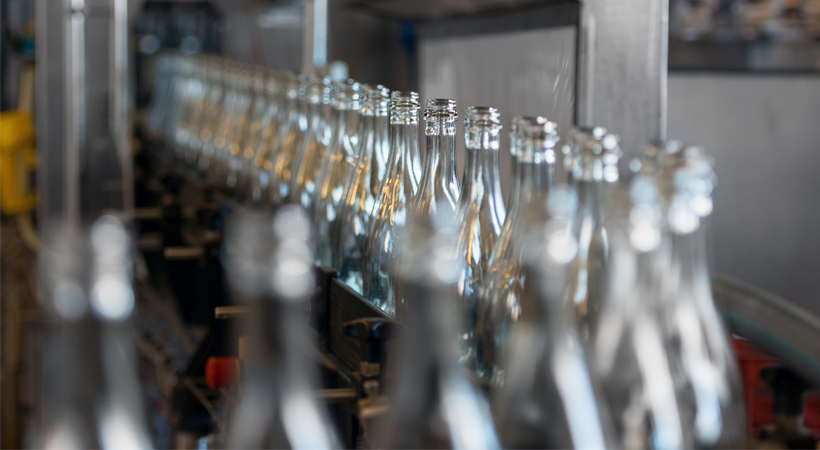
The Responsible Glass programme, which aims to bring new sustainability standards to glass production and sourcing, launched today.
The global certification programme is supported by companies such as Ciner Glass, the NSG Group, Stara Glass, and WE Soda.
The initiative is spearheaded by Francis Sullivan, former Head of Sustainability at HSBC, and Alan Knight, Chief Sustainability Officer at WE Soda and former Head of Sustainability at Responsible Steel.
The programme is committed to decreasing carbon emissions, increasing supply chain transparency, and accelerating the shift toward more responsible practices across the entire glass industry, including flat, container, and speciality glassmakers.
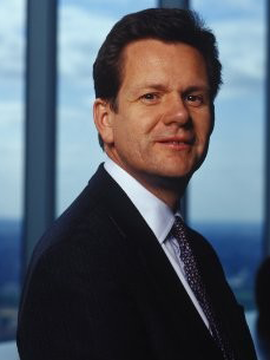
Mr Sullivan (see left), Chair of Responsible Glass, said: “Driving social and environmental change in the glass industry requires an approach which values industry knowledge, social and environmental expertise, openness, trust and a forum where decisions are not only transparent but also equitable.
“This multi-stakeholder approach, tried and tested in the steel and forestry sectors, will be pivotal for driving this change.
“Our membership will be the driving force and the foundation for this initiative, and we’re so proud to have companies from across the glass supply chain who are with us today and already working with us to make this change happen.”
Glass production is energy-intensive and contributes 95 million tonnes of CO₂ emissions globally each year.
However, unlike steel or timber, the glass sector has lacked a unified sustainability framework.
Therefore, Responsible Glass aims to:
- Develop transparent, auditable standards for low-carbon glass production.
- Drive improvements in emissions reduction, circularity, worker safety, and sourcing practices.
- Introduce a trusted certification mark for responsibly sourced and manufactured glass.
Other supporters include Arup, Belron, Climate Group, DuPont Sustainable Solutions Plus (DSS+), Initiative for Responsible Mining Assurance (IRMA), the Alliance for Responsible Mining (ARM), Cary Group, Jaguar Land Rover (JLR), and Volvo Cars.
Collectively, those in the initiative make up over 150,000 people in the glass sector and generate $90 billion in revenue.