


Some of the world’s largest glass producers and suppliers have joined together to develop the first global sustainability standard for the glass industry.
Non- profit organisation ResponsibleGlass, established in 2025, has led the initiative to create a common framework for responsible glass production.
It has published the first draft of its International Standard for Glassmaking and launched a 60-day public consultation.
This gives businesses, suppliers, customers, policymakers, NGOs and other stakeholders the opportunity to help shape its development.
The proposal aims to create a globally recognised framework that allows glassmakers to demonstrate independently verified sustainability performance, like ResponsibleSteel carried out for the steel industry.
The framework aims to reduce emissions, improve transparency and create a certification system for responsibly produced glass.
Under the proposals, glassmaking facilities would undergo independent audits, with certified companies able to demonstrate compliance against a single internationally recognised benchmark for responsible glassmaking.
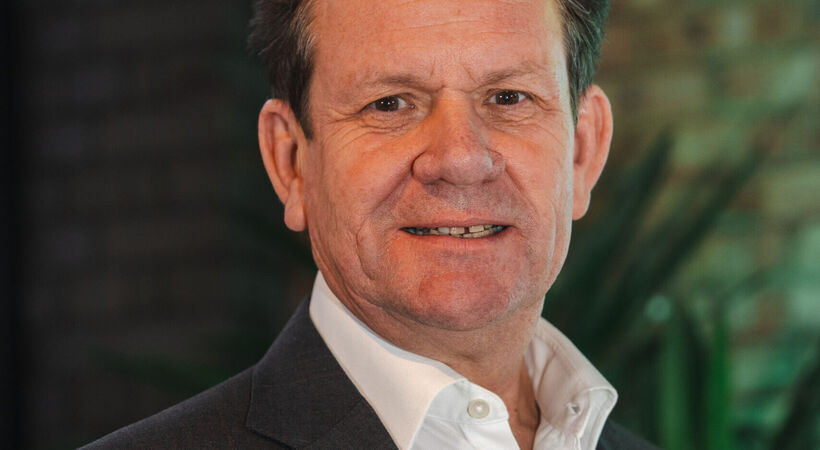
Francis Sullivan, Chair of ResponsibleGlass, said: “Glass is fundamental to modern life, from buildings and vehicles to solar technology and packaging, yet the sector has never operated under a unified, independent global sustainability framework.
“The publication of this first ResponsibleGlass Draft Standard is an important milestone in changing that.
“ResponsibleGlass brings together the entire value chain, from raw material producers and glassmakers to customers, sustainability experts and civil society organisations, to develop a shared definition of what responsible glassmaking should look like.
“But a standard is only as strong as the consensus behind it, which is why we're now inviting the wider industry, customers, policymakers and civil society to help us build a trusted global benchmark for responsible glassmaking.
“Our ambition is to create a trusted benchmark for the industry that accelerates progress on sustainability, drives transparency and helps maximise the positive contribution glass can make to a more sustainable society.”
The framework is also being developed with Alan Knight, former Head of Sustainability at ResponsibleSteel.
During Knight's tenure, ResponsibleSteel grew into a global membership organisation of more than 160 companies and organisations, helping establish internationally recognised sustainability standards for the steel sector.
Mr Knight said: “Every piece of glass is only as sustainable as the raw materials that go into it.
“We are the world's largest producer of soda ash, a key component of glass making, and we've always believed that responsible sourcing upstream matters just as much as what happens downstream.
“Soda ash is a critical raw material for glass, and so its sustainability credentials must be considered.
“Natural soda ash has a significantly lower carbon and water footprint than the synthetic alternatives.
“A global standard is a credible way for those credentials to be valued by the whole supply chain, right down to the end user.
“We were glad to be a founding member of ResponsibleGlass, and this first draft is a significant milestone for the glass industry.”
The draft standard
ResponsibleGlass’s organisation’s members and supporters include raw material suppliers and manufacturers, as well as automotive, construction, retail and luxury goods companies, and represents more than 150,000 employees.
Some key members include Ciner Glass, Glass Futures, Glass Technology Services (GTS), NSG Group, Stara Glass, and WE Soda.
Its draft standard covers the entire glass value chain, from the sourcing of raw materials and energy through to glass production, product design and recycling
It is structured around six core areas:
- Management systems – ensuring companies have the policies, and reporting systems needed to manage sustainability performance effectively.
- Responsible business practices – including legal compliance, anti-corruption measures, stakeholder engagement, transparency and public reporting of sustainability data.
- Responsible sourcing – requiring companies to understand and assess the environmental and social impacts of key raw materials, recycled materials and energy sources used in glass production, while promoting greater supply chain transparency. This includes everything from silica sand and soda ash through to recovered glass and energy inputs.
- Environmental performance – covering greenhouse gas emissions, energy use, water stewardship, biodiversity, waste management, air emissions and pollution, with companies expected to measure, manage and disclose performance against key sustainability metrics.
- People and communities – including worker health and safety, labour rights, human rights and engagement with local communities affected by glassmaking operations.
- Circularity and sustainable product design – encouraging greater use of recycled materials, improved recycling and recovery rates, and the development of glass products designed to reduce environmental impacts both during use and at the end of life.
Under the proposed system, glassmaking facilities would undergo independent audits against the ResponsibleGlass Standard.
To achieve certification, facilities would need to demonstrate compliance with requirements covering responsible sourcing, environmental performance, worker welfare, transparency and circularity.
Companies that meet the requirements would achieve ResponsibleGlass certification.
The standard also proposes common rules for measuring and reporting sustainability performance.
Glassmakers would be required to use consistent definitions and reporting methodologies for issues such as carbon emissions, recycled content and responsible sourcing, making it easier for customers and stakeholders to compare performance across the industry.
These requirements would form the basis of a certification and labelling system for responsibly produced glass.
Feedback received over the next 60 days will be used to inform an updated version, which is expected to be published at the start of 2027.

