Şişecam achieved consolidated net sales of TRY 45 billion in the first three months of 2025.
International sales, comprising the total of exports made from Türkiye and sales from production facilities outside Türkiye, accounted for 63% of consolidated sales.
Şişecam’s total investments amounted to TRY 7.7 billion, while exports totalled USD 230 million.
During this period, Şişecam produced 1.3 million tons of glass, 1.1 million tons of soda ash, and 0.8 million tons of industrial raw materials.
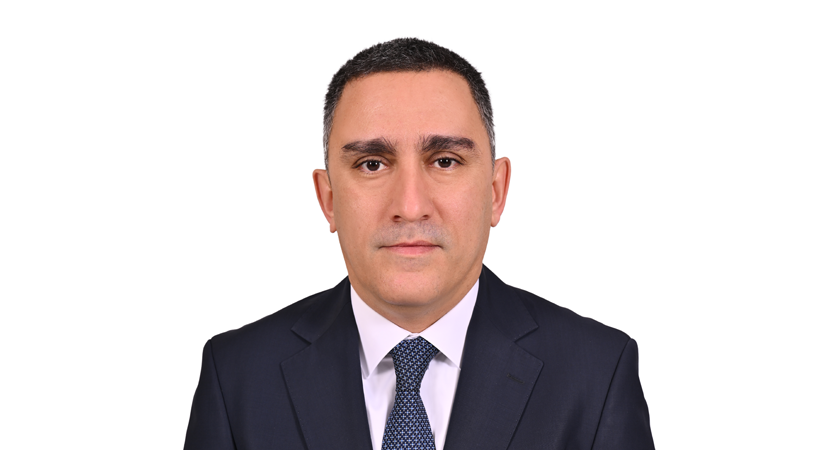
Şişecam CEO Can Yücel said: “The first quarter of 2025 emerged as a period where global risks and uncertainties have once again increased.
“In particular, the escalating trade tensions between the United States and China, and the potential impact of tariffs on Europe and many other countries, carry the potential to disrupt entire global supply chains.
“A figurative dust cloud has risen over global trade. Visibility has decreased and uncertainty has been raised as an issue once again.”
Şişecam generates 12% of its total sales through its manufacturing operations in the US, and 8% of its exports are directed to the US market.
“Even during this turmoil, we continue to act with composure and a strategic perspective, without losing our focus. Because we know that this dust will eventually settle.”
Mr Yücel continued that Şişecam would track developments in real-time, to manage risks and capitalise on opportunities.
“Our decision to carry out an early cold repair at our flat glass plant in Northern Italy is a concrete example of this strategic approach.
"If necessary, we will not hesitate to implement similar decisions in other geographies as well.”
He highlighted that production performance remained stable in the first three months, and that capacity utilisation was preserved while efficiency-focused projects gained momentum.
“The strategic steps we have taken in digitalisation and sustainability reflect our dedication not only to navigating the present, but also to shaping the future.
“Thanks to the flexibility provided by our geographical diversity, we are not only spreading risks but also effectively tapping into the potential of different markets.
“For instance, the recently announced additional tariff obligations that vary by country may offer us cost-based advantages in our international sales operations, as a company with production in multiple geographies.
“This robust structure ensures that no single development can significantly impact our overall performance.”