O-I Glass, Encirc, and British Glass have responded to the UK Government’s revised Extended Producer Responsibility (EPR) base fees for 2025–2026.
The fees for glass packaging have been reduced to £192 per tonne.
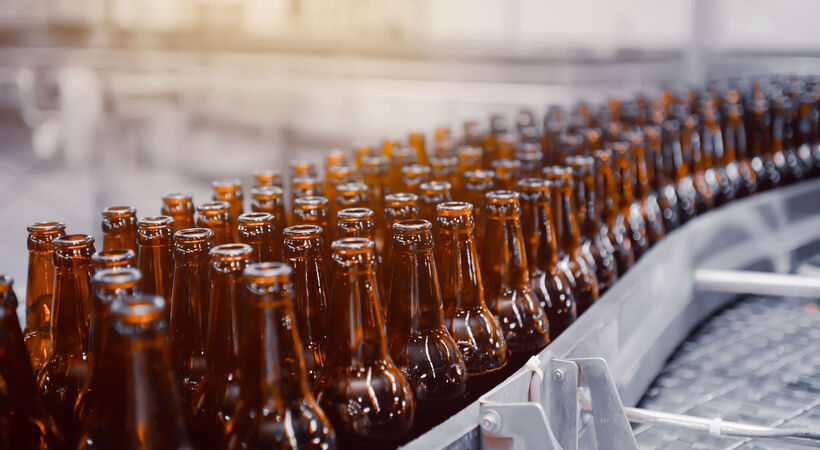
This translates to approximately 3.8p for a 330ml beer bottle and 3.6p for a jam jar.
Industry representatives argue the changes don't go far enough.
Jim Rankine, Managing Director of O-I Glass UK Country Group, welcomed the reduction as a “step in the right direction,” but warned that the weight-based model still places a “disproportionate burden” on glass compared to plastic.
He added that this imbalance could unintentionally encourage material switching, increase consumer prices, and disadvantage domestic glass manufacturing.
Encirc echoed these concerns. A spokesperson said: “The government needs to hit the pause button on this scheme before British glass manufacturers are unfairly hit with these disproportionate costs.
“Sadly the government's pricing structure has not taken into account that glass is far more sustainable than plastic and weighs considerably more.
“Ministers must continue dialogue with the British glass industry before implementing EPR.
“It is in the best interest of consumers, businesses and glass factories for this scheme to be put on ice.”
British Glass also expressed disappointment.
Director Nick Kirk noted that while the fee cut is acknowledged, it “does little to ease concerns around the disparity in unit costs,” which still favour lighter, less recyclable materials.
British Glass highlighted that although glass represents just 5% of packaging collected by volume, it is expected to bear around a third of total EPR costs.
Meanwhile competing beverage packaging will face no EPR costs due to its inclusion in a Deposit Return Scheme (DRS) until late 2027.
For example, competing jam jars could face fees around 1.5p - significantly lower than for glass.
The UK glass industry continues to call for a more balanced, circularity-focused system that reflects both environmental impact and long-term sustainability.